
Article: The Benefits of Play in a Child's Development
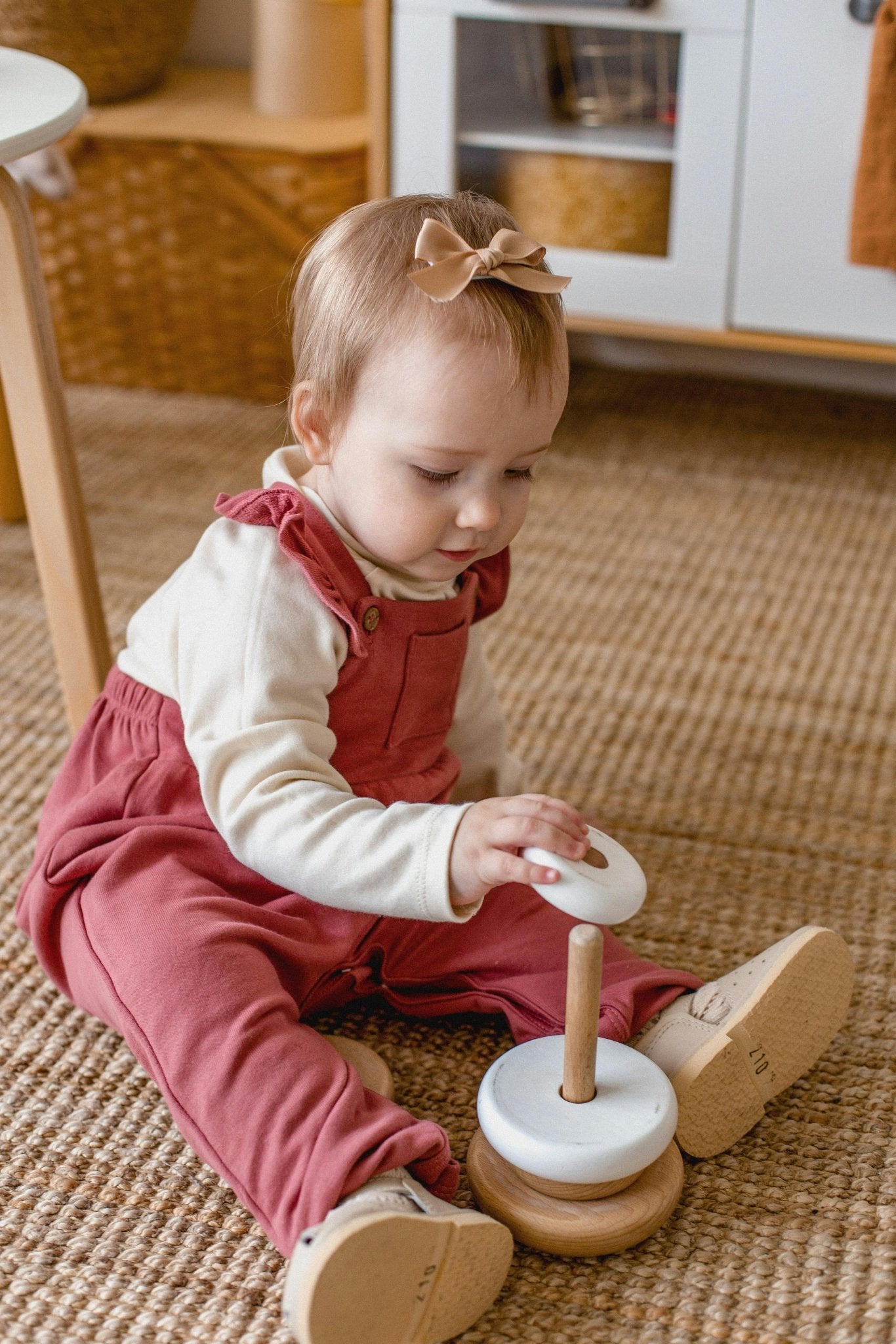
The Benefits of Play in a Child's Development
Introduction
Play is an essential part of children's development, influencing not only their emotional well-being but also their cognitive, social and physical skills. Often seen as simple recreation, play is in fact a powerful educational tool that allows children to explore the world around them, learn new skills and develop their creativity.
In this first part of the article, we will look at why play matters for child development, exploring its different types and the specific benefits it brings at every stage of growth.
The role of play in child development
Play is one of the most natural activities for a child. From birth, babies begin to interact with their surroundings through movement and exploration, laying the foundations for healthy, harmonious development.
From a scientific standpoint, numerous studies show that play has a direct impact on brain development, encouraging the formation of neural connections that affect memory, problem solving and the ability to concentrate. Play is also essential for developing motor skills and coordination.
Playing allows children to experience emotions, develop the ability to manage stress and learn the social dynamics that are fundamental to their growth. Through play, little ones learn to relate to others, cooperate, express their emotions and understand the rules of society.
The different types of play
1. Sensory play
From the first months of life, babies explore the world through their senses. Sensory play, which involves touch, sight, hearing, taste and smell, is fundamental for developing cognitive and motor skills. Materials such as fabrics of different textures, noisy objects and colorful toys stimulate curiosity and help build a deeper understanding of the surrounding environment.
2. Symbolic play
As they grow older, children begin to use their imagination to create make-believe scenarios and act out different roles. Symbolic play, such as pretending to be a doctor, a teacher or a superhero, is essential for developing language, empathy and problem-solving skills.
3. Motor play
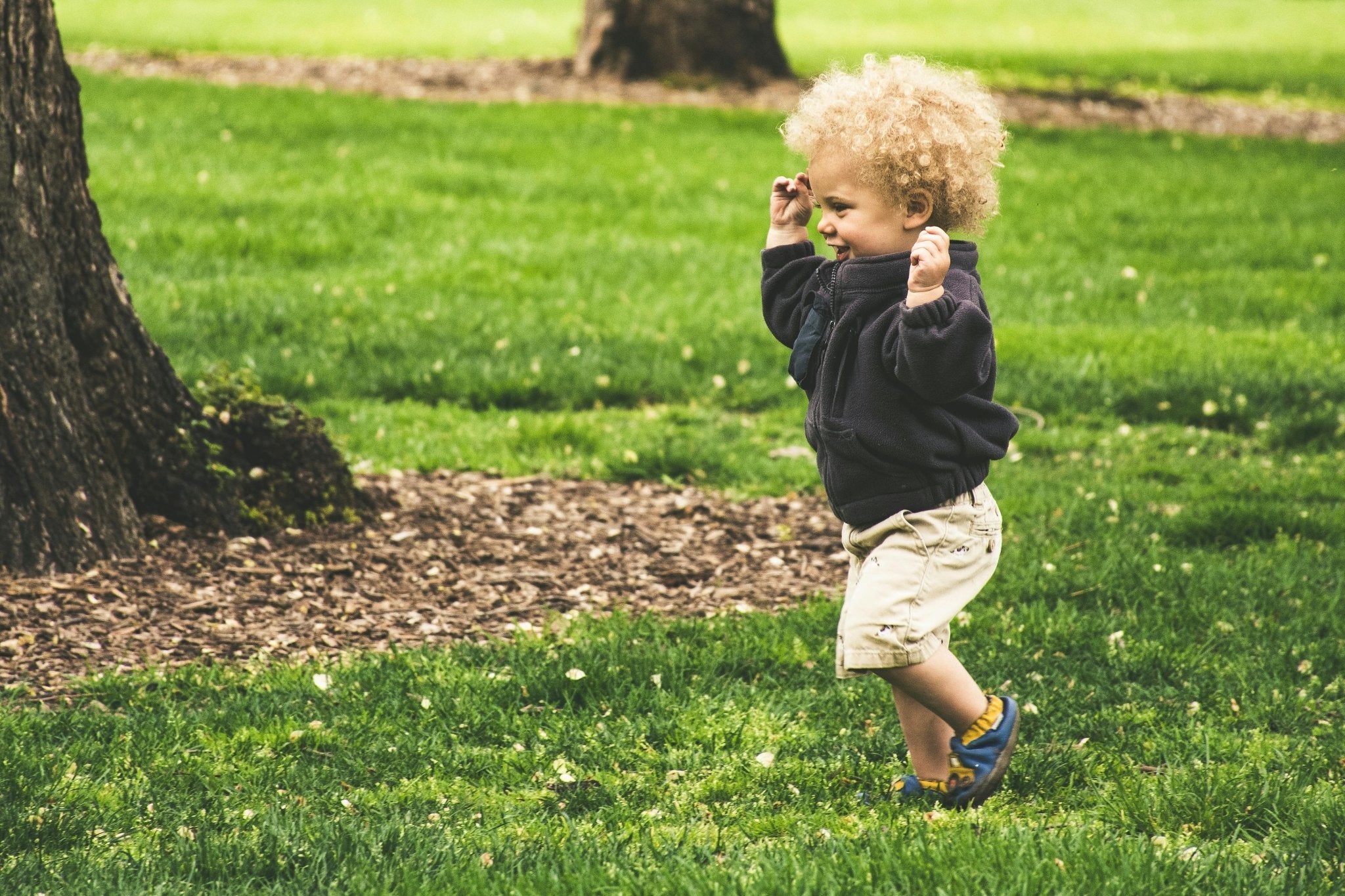
Physical activity is crucial for children's growth, and motor play helps them develop balance, coordination and muscle strength. Running, jumping, climbing and playing outdoors all contribute to a child's physical health and overall well-being.
4. Social play
Playing with other children is fundamental for developing social skills. Through group play, children learn to negotiate, follow rules and cooperate with others. This kind of play also helps them resolve conflicts peacefully and understand other people's points of view.
The benefits of play for cognitive development
Play is not just fun, but an opportunity for continuous learning. Through play, children develop logical reasoning, memory, attention and creativity.
- Improves problem-solving skills: games such as puzzles, building sets and activities that call for strategic solutions help develop critical thinking and the ability to solve problems.
- Stimulates creativity: artistic games, drawing, modeling clay and building toys encourage creative expression and the ability to come up with new solutions.
- Supports language learning: symbolic play and role play let children enrich their vocabulary and improve their communication skills.
- Boosts memory and concentration: playful activities that require attention and repetition, such as memory or card games, improve the ability to remember information.

How to encourage play in children
Having looked at the fundamental role of play in a child's growth and its different types, it is essential to understand how parents and educators can encourage it effectively. Play should not be seen as a secondary activity, but as a true learning tool that should be nurtured through supportive environments, suitable materials and a mindful educational approach.
Creating a stimulating environment
One of the most important factors in encouraging play is the environment in which a child grows up. Having a safe, well-organized play space with accessible and varied materials lets a child explore freely and develop new skills. A dedicated play corner, with soft rugs, child-sized shelves and a selection of toys that stimulate creativity and interaction, can make a real difference in the development of their skills.
It is also helpful to alternate structured toys with everyday materials, such as boxes, fabrics, containers and natural objects, that stimulate curiosity and experimentation. Children love transforming objects and giving them new meanings, an activity that strengthens creative thinking and problem-solving skills.
The active role of parents in play
Although independent play is fundamental for developing autonomy, the active presence of parents is just as important. Children learn through imitation, and adults' active participation can enrich the way they play.
Some tips for getting involved effectively in play include:
- Follow your child's lead, giving them the freedom to choose the activity and guide the play.
- Interact with enthusiasm, asking questions, making observations and encouraging new ideas.
- Avoid correcting or directing too much, leaving room for inventiveness and independent exploration.
- Suggest new activities based on your child's interests, without forcing them to play with particular toys.
Time spent in shared play strengthens the bond between parents and children and helps a child develop communication and emotional skills.
Play activities for every stage of growth
Every stage of child development has different needs and abilities. Offering games suited to a child's age ensures an engaging and formative experience.
Babies (0-12 months)
At this stage, play is mainly sensory and motor-based. Some recommended activities include:
- Games with mirrors and reflective objects to stimulate curiosity and body awareness.
- Tactile materials such as plush toys, soft fabrics and objects with different textures to encourage sensory exploration.
- Songs and nursery rhymes that introduce a baby to the sounds and rhythms of language.
Toddlers (1-3 years)
During this period, play becomes more interactive and symbolic. Some suitable activities are:
- Building games with blocks and interlocking pieces to develop coordination and logic.
- Symbolic play such as cooking with toy pots and pans or caring for dolls and stuffed animals.
- Art activities such as drawing with crayons and finger painting to stimulate creativity.
Preschoolers (3-6 years)
Children start to socialize more and try out more complex role-playing games. Some ideas are:
- Simple board games to teach respect for rules and turn-taking.
- Outdoor activities such as races, jumping and balance courses to improve motor skills.
- Telling stories and acting them out to boost language and imagination.
School-age children (6-10 years)
At this stage, children refine their logical thinking and social interaction skills. Recommended games:
- Strategy and board games, such as chess or cards, to stimulate critical thinking.
- Simple science experiments to encourage curiosity and learning.
- Sports activities to improve coordination and teamwork.

The importance of free play
Although structured games are very useful, free play is just as essential. Letting children explore and invent freely, without rules imposed by adults, fosters their independence and their ability to make decisions.
Free play can happen outdoors, in parks and gardens, or at home, by creating imaginary worlds with everyday objects. The absence of constraints lets children experiment, solve problems on their own and develop greater confidence in their abilities.
Conclusion
Play is an essential part of a child's growth and should be encouraged in all its forms. It is not merely a recreational activity, but a powerful educational tool that supports cognitive, emotional and social development.
Parents and educators have the task of creating an environment that encourages play in a varied and natural way, adapting it to children's ages and interests. A balanced mix of structured and free play ensures more effective and engaging learning.
In light of all this, it is clear that play is never a waste of time, but a valuable investment in a child's future. Offering time and space for play means supporting the development of the skills needed to face the world with confidence and creativity.


Leave a comment
This site is protected by hCaptcha and the hCaptcha Privacy Policy and Terms of Service apply.