
How to Encourage Language Development in the First Years of Life: Tips and Effective Games
Introduction
Language is one of the most fascinating skills a child develops in the first years of life. Every parent is moved when they hear their little one's first words, but it's natural to wonder whether language development is on the right track and how to encourage it effectively. Language acquisition doesn't happen in the same way for every child: some talk very early, while others need more time to express themselves verbally. However, there are proven strategies that can help foster richer, more structured communication from the earliest age. This process, which involves listening, understanding and using words, is shaped by several factors, including interaction with adults, the family environment and everyday experiences.
Language is not only a tool for communication; it is also essential for a child's emotional, social and cognitive development. Proper exposure to words and conversation allows little ones to understand the world around them, express their needs and wishes, and interact with others in increasingly complex ways. Language also has a significant impact on self-esteem and the ability to socialize, shaping the way a child builds relationships and engages with the outside world.
In this article we will take a closer look at the stages of language development and explore strategies and games that can help children improve their communication skills in a natural and engaging way. We will also look at the role of parents and educators in supporting children along this journey, highlighting the importance of an environment rich in verbal and visual stimulation. Finally, we will discuss the importance of reading, interaction and specific play activities that can support language development in the youngest children.
The Stages of Language Development
Every child follows their own pace in developing language, but there are some common stages that outline a general path. Understanding these stages helps parents encourage their little ones' communication skills in the right way, without undue worry or unrealistic expectations. Language is a skill that is built gradually and requires time, patience and constant interaction.
0-6 months: the first approach to sounds
From the very first days of life, babies begin to make sounds that are their earliest form of communication. Crying, cooing and various vocalizations serve not only to get adults' attention but also to exercise the vocal cords. At this stage it is essential for parents to talk to their baby often, because their voice is a constant, reassuring point of reference. Babies also begin to tell different tones of voice apart and to react with smiles or movements. An adult's response, even just through eye contact and a smile, reinforces communication and helps the little one understand that sounds have meaning.
Exposing your baby to different tones of voice, singing nursery rhymes and keeping up constant interaction even during daily routines, such as bath time or diaper changes, are effective ways to encourage that first contact with language. Babies learn through listening and imitation, so the way adults speak has a decisive impact on their future abilities. Skin-to-skin contact and the way parents respond to a baby's first sounds also influence the speed and quality of language development.
6-12 months: first words and understanding
During this period, babies begin to repeat sounds and experiment with combinations of syllables, such as "ma-ma" and "da-da", which will gradually evolve into real words. Understanding words always comes before the ability to say them, so your baby may already respond to simple commands like "hello" or "come here". Communication is not yet structured, but imitating adults plays a key role: the more clearly parents speak and interact with their little one, the more likely the baby is to develop new language skills. It helps to emphasize key words and phrases and repeat them often, since repetition helps babies consolidate what they have newly learned.
At this age it's helpful to introduce repetition games, such as clapping hands while singing a song or showing pictures of familiar objects to help your baby connect words with things. Speaking in an enthusiastic tone and varying your intonation also helps keep your little one's attention. Reading picture books and describing the images with enthusiasm can contribute significantly to vocabulary growth. Interaction with other children can also support language learning, since little ones tend to imitate one another.

Advanced Strategies to Encourage Language
After looking at the early stages of language development and the first strategies to support its growth, it's important to explore more advanced methods and specific techniques that parents, educators and professionals can use.
The Importance of Shared Reading
One of the most powerful tools for enriching a child's vocabulary and communication skills is shared reading. Reading aloud not only exposes a child to new words and language structures, but also teaches the rhythm and musicality of language. For the youngest children, it's best to choose picture books with simple, repetitive text, while for older children you can introduce more elaborate stories that spark their imagination and curiosity.
While reading, it helps to use a few strategies to get the most out of it:
- Ask open-ended questions: Ask your child to describe the pictures, imagine what will happen next or tell the story in their own words.
- Repeat key words: Coming back to new words and using them several times in different contexts helps your child remember them.
- Use an expressive tone: Varying your intonation and voice for different characters helps your child follow the story with greater attention.
Expanding Language Through Play
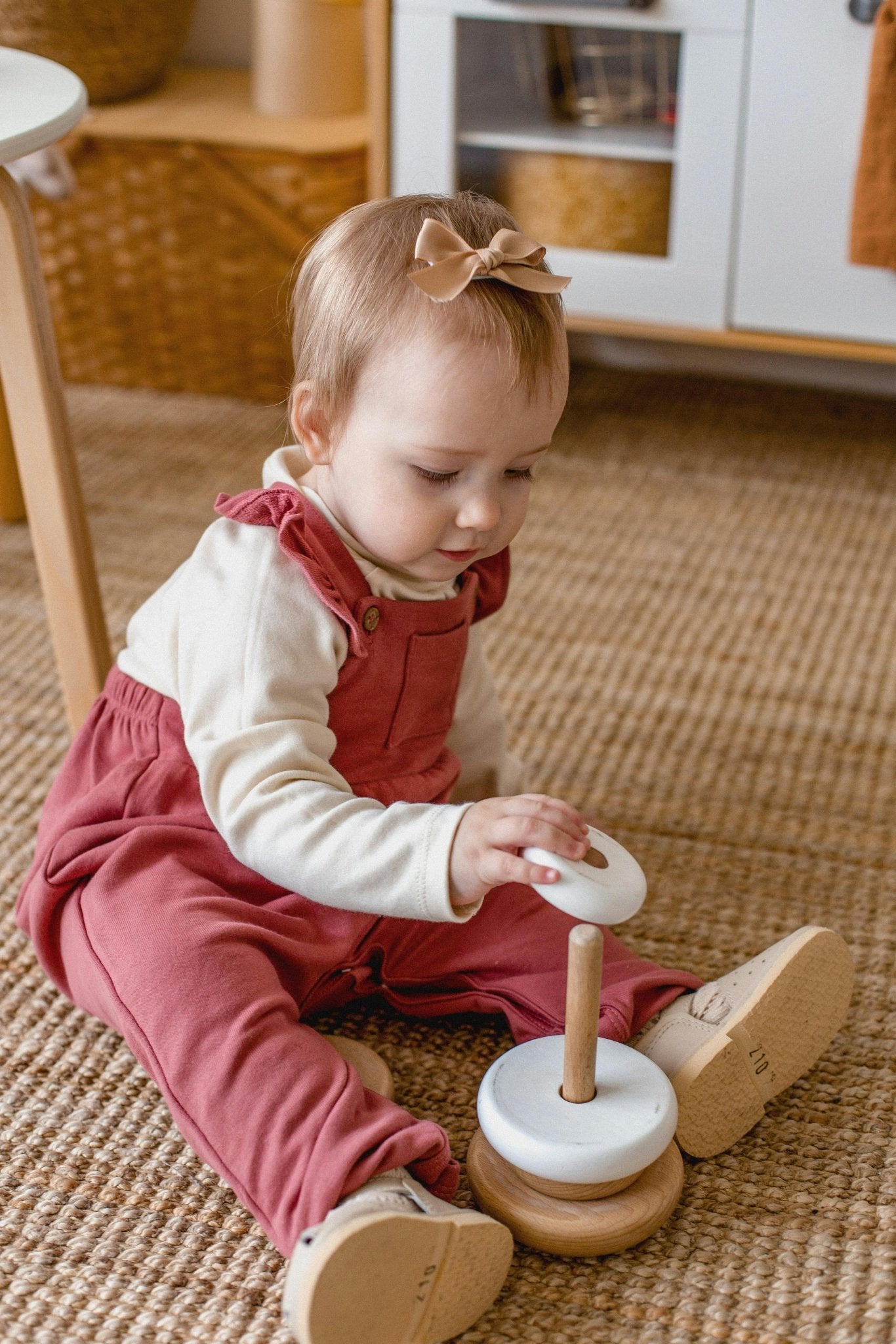
Play is an essential activity for language development. Through pretend play, such as pretending to be in a store or a hospital, children learn to use language in social settings and develop conversational skills. Some useful games to encourage language include:
- Role-playing games: Acting out everyday situations lets children learn new words and sentence structures.
- Guess the object: An adult describes an object without naming it and the child has to guess what it is, practicing comprehension and the ability to make associations.
- Singing songs and nursery rhymes: Melodies and rhymes help children remember sounds and words more effectively.
Interaction with Other Children
Contact with peers is essential for language development. Playing with other children lets them practice communication naturally, learning to take turns in conversation, express wishes and share experiences. Introducing your child to playgroups, sports activities or educational gatherings can greatly support their ability to express themselves.

The Role of Technology in Language Development
Although technology can be a valuable ally, mindful and balanced use is essential. Educational apps, audiobooks and instructional videos can offer interesting ways to enrich a child's vocabulary, but they should never replace direct interaction with adults and peers.
Some guidelines for using technology wisely include:
- Limit screen time, favoring interactive content over passive viewing.
- Use apps and games that encourage active participation, such as apps that ask your child to complete sentences or answer questions.
- Pair the tech experience with conversation, talking with your child about what they are watching or listening to.
The Role of Parents and Educators
Parents and educators play a crucial role in language development. It's important to create a home environment where communication is constant and stimulating. Some helpful suggestions include:
- Be positive language models: Speak clearly, expand on your child's sentences and always respond to their attempts to communicate.
- Encourage storytelling: Asking your child to tell you about their day or describe their experiences helps improve how they organize language.
- Avoid correcting directly: If your child mispronounces a word, it's better to repeat it the right way rather than point out the mistake.
Conclusion
Encouraging language in the first years of life is a fascinating journey that calls for consistency, patience and active involvement from the adults in a child's life. Creating an environment rich in words, sounds and communicative experiences helps a child make the most of their language abilities, laying the foundation for clear and effective communication.
With targeted strategies, suitable games and the attentive presence of parents and educators, every child can be guided through language learning in a natural and enjoyable way. Finally, it's important to remember that every child has their own pace of development: what matters is offering the right opportunities to express themselves and engage with the world around them.



Leave a comment
This site is protected by hCaptcha and the hCaptcha Privacy Policy and Terms of Service apply.