

5 Secrets for Creating Magical Spaces for Your Newborn
Colors and Emotions
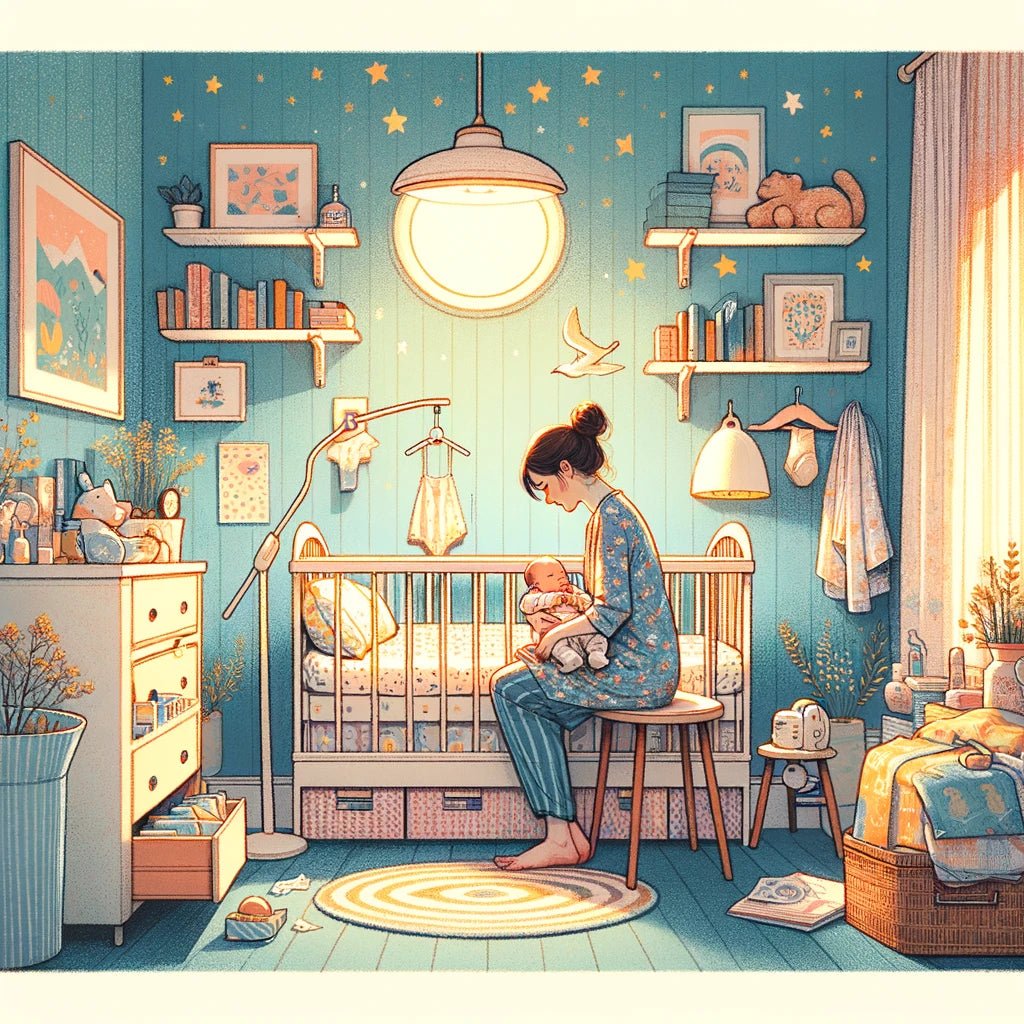
Color is one of the first ways your child begins to explore and make sense of the world around them. Choosing colors for the nursery is not just a matter of looks: it can have a significant impact on your little one's emotional and sensory development.

The Importance of the Color Palette
Warm colors such as yellow, orange and red can stimulate the mind and increase feelings of happiness and warmth. However, it is important to use them in moderation, as they can also heighten anxiety in more sensitive children. Cool colors such as blue, green and purple, on the other hand, tend to create a calm environment that encourages concentration and relaxation.
Tips for Choosing Colors
- Yellow: Brightens the room with a sunny, warm feeling. It is ideal for stimulating concentration and energy, but it is best used as an accent rather than as the dominant color.
- Blue: Promotes calm and serenity. It is perfect for bedrooms, as it helps regulate the sleep-wake rhythm.
- Green: Represents nature and conveys a sense of balance and growth. It is great for encouraging curiosity and learning.
- Purple: Stimulates imagination and creativity. Use it in softer shades so as not to overwhelm the space.
Our Advice
When choosing the color palette for your child's room, consider the effect each color can have on their mood and behavior. Blend different colors in a balanced way to stimulate a range of emotional and cognitive responses. A good starting point is to choose a neutral base color and then add colorful accents through decorations, toys and fabrics.
Play and Learn
Play is fundamental to children's cognitive, emotional and motor development. Through play, little ones explore the world, learn to solve problems, develop language skills and much more. Choosing the right toys is therefore a crucial step in nurturing learning and imagination at every stage of their growth.
Choosing the Right Educational Toys
- From 0 to 6 months: At this stage, babies begin to discover their senses. Toys with high color contrast, different textures and gentle sounds can stimulate sight, touch and hearing.
- From 6 to 12 months: As children start to move around and explore more, toys that encourage crawling, such as balls and push vehicles, or those that make sounds when handled, are ideal.
- From 1 to 3 years: During this period, children begin to develop their imagination. Toys that imitate adult activities, such as toy kitchens, tools or doctor sets, let them explore different roles and scenarios.
- From 3 to 6 years: Preschoolers and school-age children benefit from games that stimulate critical thinking and creativity, such as building blocks, puzzles, role-playing games and science experiment kits.

The Importance of Free Play
It is essential to leave room for free play as well, where children can use their imagination without a specific goal. This kind of play stimulates creativity, independence and the ability to make decisions.
Our Advice
When selecting toys for your children, look for those that offer learning opportunities through play and suit their stage of development. Remember that the best toy is the one that supports interaction between you and your child, strengthening your bond and encouraging learning together.
Safety and Comfort
Creating a safe and comfortable environment is essential for your child's well-being and development. This stage of life is marked by great curiosity and a desire to explore, so it is vital to adopt safety measures that protect little ones from potential dangers without limiting their freedom to discover.
Safety First
- Furniture safety: Choose furniture with rounded corners, anchor it securely to the walls to prevent tipping, and make sure all materials are non-toxic and safe for children.
- Home protection: Install covers for electrical outlets, locks for doors and drawers, and safety gates for stairs and doorways to keep children away from hazardous areas.
- Safe toys: Check that toys are appropriate for your child's age, free of small parts that could be swallowed, and made with safe, non-toxic materials.

Creating a Cozy Environment
- Lighting and temperature: Use soft lighting to create a relaxing atmosphere, especially in the evening. Keep the room at a comfortable temperature, avoiding sudden changes that could disturb your baby's sleep.
- Dedicated spaces: Organize the room with well-defined areas for play, sleep and learning. This helps children feel secure and manage their daily activities better.
- Fabrics and materials: Choose natural, breathable fabrics for sheets, blankets and clothing, ensuring comfort and helping prevent skin irritation.
Our Advice
While it is important for your child to learn and explore in a stimulating environment, safety must never be overlooked. Invest in quality products that offer both safety and comfort, without compromising on style or fun.
Stories and Imagination
Immersing children in the world of stories is a powerful way to feed their imagination and teach them valuable life lessons. Creating a dedicated reading space not only encourages language and cognitive development, but also offers a special opportunity to strengthen family bonds by sharing unforgettable moments.
Creating a Cozy Reading Nook
- Comfort is key: Choose soft armchairs or large floor cushions to create an inviting reading corner. Make sure there is plenty of natural light during the day and a reading lamp for bedtime stories.
- Child-height bookshelf: Place a bookshelf at their height, where books are easy to reach. This encourages children to choose what to read on their own, fostering independence and a love of reading.
- A variety of books: Offer a diverse selection of books, including classic tales, adventures, educational books and stories that explore different cultures. Variety stimulates curiosity and opens the mind to new ideas.

The Power of Shared Stories
- Quality time together: Spending time reading with your children is not only educational, it also creates precious memories. These shared moments help build a strong emotional connection between you and your child.
- Lessons and values: Through stories, children learn important life lessons, such as empathy, courage and the importance of friendship. Talking about the stories you have read can deepen their understanding of these values.
Our Advice
Dedicating a space and time to reading shows children that it is a worthwhile activity. By making it a routine, you will nurture an enthusiastic reader who enjoys stories and learning for life.
Nature and Well-Being
Bringing natural elements and sustainable practices into children's everyday environment not only supports their well-being, but also teaches valuable lessons about respecting and caring for our planet. Creating spaces that reflect the importance of nature fosters environmental awareness from an early age.
Bringing Nature Indoors
- Natural Materials: Choose furniture, toys and decorations made from natural materials such as untreated wood, organic cotton and wool. These materials are not only healthier for children, but also add a touch of warmth and authenticity to the space.
- Plants and greenery: Adding plants to the children's room improves air quality and brings a piece of nature indoors. Choose non-toxic plants that are safe for children and easy to care for.
- Natural light: Make the most of natural light in children's rooms. Sunlight regulates circadian rhythms, improves mood and reduces energy consumption.

Encouraging Sustainable Habits
- Recycling and Reuse: Teach the importance of recycling and reuse through games and everyday activities. Making toys from recycled materials or giving objects a second life can be a fun DIY project to do together.
- Environmental Education: Introduce concepts of conservation and environmental protection through books, games and outings in nature. Learning to respect the environment from an early age lays the foundation for a sustainable lifestyle.
Our Advice
Making sustainability and a love of nature an integral part of your children's lives will help them grow into aware and responsible individuals. Every small step toward a more natural and sustainable environment makes a difference in their education and in the well-being of our planet.
Visit our online store www.noidapiccoli.com



Leave a comment
This site is protected by hCaptcha and the hCaptcha Privacy Policy and Terms of Service apply.