
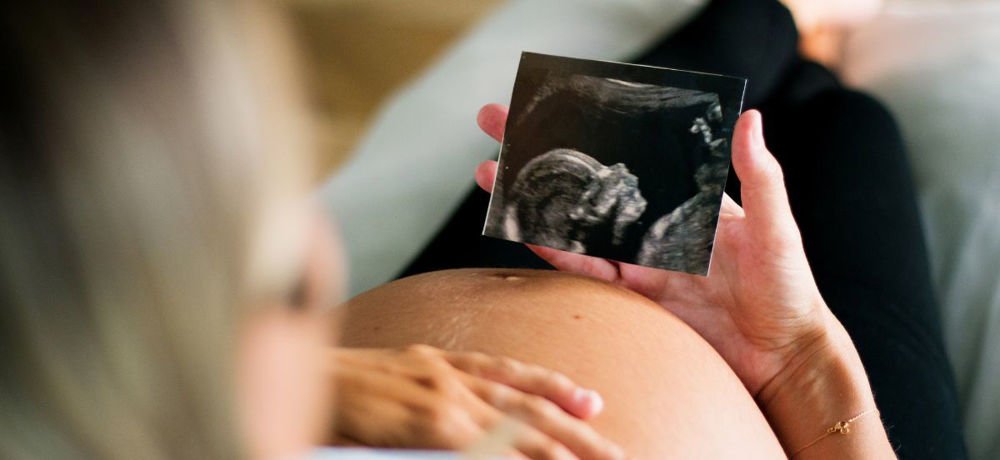
I'm Pregnant: What to Do When You Find Out
Finding out you're pregnant is one of the most exciting moments in a woman's life. Those two little lines on the pregnancy test can set off a whirlwind of emotions: joy, excitement, anxiety and even fear. But once the first moment of surprise has passed, you may find yourself wondering: "What do I do now?"

1. Find Your Medical Point of Contact
The first thing to do is decide who will care for you during your pregnancy. You can choose your trusted gynecologist, a midwife or a family health clinic. The choice depends on your personal preferences and your medical history. If you had complications in previous pregnancies or have particular medical conditions, you may need a specialized gynecologist. What matters is finding a professional you feel comfortable with and trust.
2. The Importance of Folic Acid
Folic acid is an essential vitamin during pregnancy. It helps prevent serious congenital malformations such as spina bifida. Although it would be ideal to start taking it before conception, you should begin adding it to your diet as soon as you find out you are pregnant. The recommended dose is 400 micrograms per day, but in some situations a higher dose may be necessary. Consult your doctor to determine the right dose for you.
3. Review Your Medications
If you are taking any medications, now is the time to review them. Not all medications are safe during pregnancy. Some can have negative effects on the fetus or increase the risk of complications. Talk to your doctor about everything you are taking, including over-the-counter medications, supplements and herbs. It may be necessary to adjust the dosage or switch to an alternative medication.
4. Say Goodbye to Smoking and Alcohol
Smoking and alcohol can have harmful effects on your pregnancy. Smoking can increase the risk of premature birth, low birth weight and other complications. Alcohol, even in small amounts, can increase the risk of developmental problems and fetal alcohol syndrome. If you find it hard to quit, talk to your doctor. There are resources available to help you.
5. Precautions Against Toxoplasmosis
Toxoplasmosis is a disease caused by a parasite that can be especially dangerous during pregnancy. If you are not immune, you should take a few precautions to protect yourself and your baby. Avoid eating raw or undercooked meat, and always wash fruits and vegetables before eating them. Also avoid contact with cat feces. If you have a cat, ask someone else to clean the litter box, or wear gloves and always wash your hands afterward.
6. Start Planning Your Prenatal Visits
Prenatal visits are essential for monitoring your health and your baby's. Usually, the first visit takes place around the 8th week of pregnancy. During this visit, the doctor will confirm the pregnancy, estimate your due date and may run some tests. After that, visits become more frequent as the pregnancy progresses. Be sure to write down all your questions so you can discuss them with your doctor during your visits.
7. Consider Your Lifestyle and Diet
A balanced diet is essential during pregnancy. Make sure to eat a variety of nutrient-rich foods, such as fruit, vegetables, lean protein and whole grains. Avoid foods high in saturated fat, added sugar and salt. Also, drink plenty of water and limit caffeine. If you have questions about your diet or have particular dietary needs, consider consulting a nutritionist.
8. Tell Your Employer
If you work, you may want to let your employer know about your pregnancy, especially if your job involves physical activity or exposure to chemicals. This will allow you to discuss any adjustments needed to ensure your safety and your baby's.
9. Think About the Future
Now that you know you're expecting, you might start thinking about where you would like to give birth: in a hospital, a birthing center or at home. You may also want to start looking into prenatal classes, such as prenatal yoga or childbirth preparation courses.
10. Surround Yourself with Support
Pregnancy can be an exciting but also stressful time. Surround yourself with loved ones, friends and family who can offer you support and understanding. Consider joining a support group for expecting moms, where you can share your experiences and learn from other women who are going through the same adventure.




Leave a comment
This site is protected by hCaptcha and the hCaptcha Privacy Policy and Terms of Service apply.