
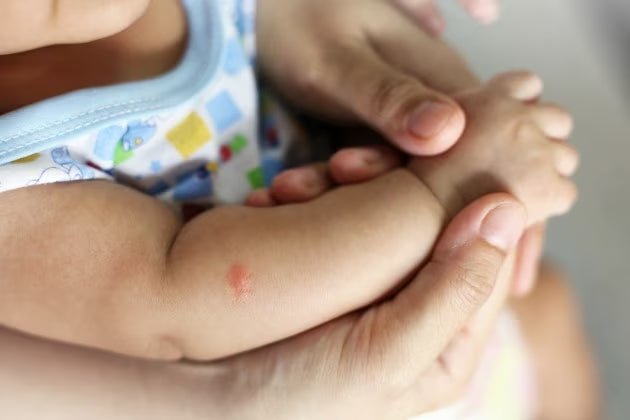
Mosquitoes: Tips for Kids and Babies
Introduction
Summer is a season everyone loves, especially little ones. However, with the warm weather come the mosquitoes, ready to spoil evenings outdoors and cause annoying itching. In this article, we'll look at how to protect your kids and babies from mosquito bites effectively and safely.
Why It's Important to Protect Kids from Mosquitoes
Mosquitoes aren't just annoying; they can also transmit diseases such as malaria, dengue fever and the Zika virus. Although these diseases are more common in other parts of the world, it's always better to be cautious. Children, in particular, have more sensitive skin and are more susceptible to irritation caused by mosquito bites.
How to Protect Babies (0-3 Months)
For babies up to 3 months old, the best choice is to avoid chemical repellents. At this delicate stage of life, it's advisable to use more natural methods such as fabric or mesh mosquito nets, which form a physical barrier against mosquitoes.
From 3 Months to 2 Years: Citriodiol Is the Solution
From 3 months to 2 years, citriodiol is the only active ingredient considered effective enough to protect children from mosquitoes. This substance is found in some Vape products and offers low-to-medium protection, but it is the safest option for this age group.
From 2 to 12 Years: Icaridin and Other Options
For children from 2 to 12 years old, an excellent choice is icaridin, an active ingredient found in some types of repellents such as Autan. This substance is effective and considered safe for children in this age group. However, it's always good practice to read labels carefully and follow the manufacturer's instructions.

What to Avoid: Ineffective and Misleading Products
Many mosquito repellents made for children contain natural essences such as geranium or citronella. Although they may seem like a more "natural" choice, they often don't offer effective protection. It's therefore best to avoid these products and choose those that have proven their effectiveness through studies and research.
After the Bite: What to Do
If, despite all precautions, your child gets bitten by a mosquito, it's important to know how to respond. Creams on the market often don't offer significant relief and may contain irritating substances. An effective remedy can be applying an ice cube wrapped in a clean cloth to the affected area to reduce inflammation.
Practical Tips for the Home and Outdoor Spaces
Let's not forget that prevention starts at home. Keeping your garden and balcony clean, avoiding standing water and using mosquito lamps are just some of the strategies that can help reduce the presence of these annoying insects.
Clothing: A Physical Barrier
Another effective way to protect your kids from mosquitoes is through clothing. Long-sleeved tops, long pants and socks can make the difference. For extra protection, you can also choose clothing treated with permethrin, an insecticide that is safe for use on fabrics.
The Importance of Personal Hygiene
Personal hygiene also plays a role in preventing mosquito bites. Avoiding sweet fragrances and lotions that can attract mosquitoes is a simple but effective step every parent can take.
Conclusion
Protecting your kids from mosquitoes is not just a matter of comfort, but also of health. With the right precautions and products, you can enjoy summer without worries. Always remember to read product labels carefully and, if in doubt, consult your pediatrician for personalized advice.



Leave a comment
This site is protected by hCaptcha and the hCaptcha Privacy Policy and Terms of Service apply.