

Child Development in the First 5 Years
The period from birth to the first five years of life is a crucial stage in a child's development. During these years, a child's brain develops more rapidly and intensely than at any other time in life. This window is essential not only for physical growth, but also for social, emotional, behavioral and cognitive development, as well as communication skills.
Key Stages of Development
From Birth to 3 Months
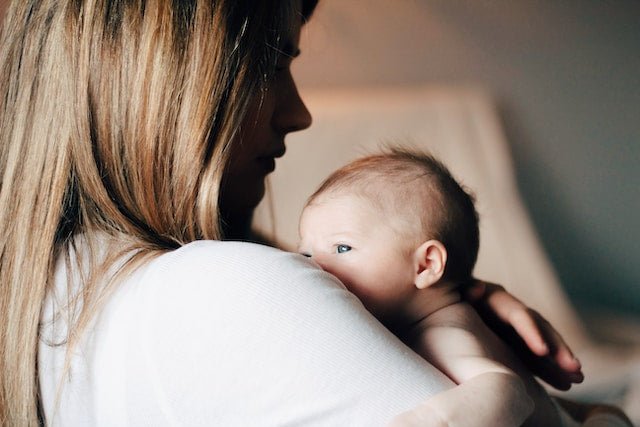
In this early stage, babies develop essential reflexes such as rooting, sucking and grasping. They begin to explore their hands, clench them into fists and bring them to their mouths. One of the main achievements of this period is head control. With the right support, a newborn can hold their head up for a few seconds and begins to lift it slightly when lying on their tummy. "Tummy time" is essential at this stage, as it strengthens the baby's neck, back and arms and lays the foundation for motor and visual skills, and even for speech and feeding.
From 3 to 6 Months
As babies grow, they begin to show greater dexterity and strength. Many start to roll over, sit with a little support, push their bodies forward and even pull themselves up by grabbing the edge of the crib or another solid object. They also start bringing objects to their mouths, reaching for things and playing with toys. Offering a variety of toys and sensory-stimulating objects can help babies develop at this stage.

From 6 to 9 Months
During this period, babies become increasingly mobile. Many start to crawl, pass objects from one hand to the other and sit without support. This is also the stage when they begin to develop more advanced motor skills and to explore the world around them in new and exciting ways.
From 9 to 12 Months
Toward the end of the first year of life, many babies can pull themselves up to a sitting position, stand without help and even take their first steps. They also begin to develop more advanced motor skills, such as picking up and throwing objects, rolling a ball and grasping objects between thumb and finger.
From 1 Year to 5 Years
After the first year, physical development continues at an impressive pace. Children begin to walk more steadily, run, jump and explore the world with new independence. During these years, they also develop more complex motor skills, such as pedaling a tricycle, cutting with scissors and drawing more complex shapes.

Relationships: The Foundation of Child Development
Relationships play a crucial role in a child's development. Through warm, responsive relationships, a child learns vital information about themselves and the world around them. For example, they learn that they are loved, safe and protected. They also discover the reactions that certain behaviors bring, such as crying, laughing or asking questions.
By observing relationships between other people, such as seeing how a parent interacts with other family members or friends, a child learns the basics for developing their own communication, behavioral and social skills. The relationship with parents is one of the most important in a child's life. However, relationships with other family members, early childhood educators and peers are just as crucial to their development.
Play: How Learning and Development Happen
In the early years of life, play is the main way children learn and develop. Play is not only fun for a child, it also offers the chance to explore, observe, experiment and solve problems. Through play, children can practice what they are learning, building key skills such as communication, thinking, problem-solving and interacting with others.
Playing with your child sends a simple but powerful message: "You matter to me." This message helps children understand who they are and their place in the world.
Other Factors That Influence Child Development
Besides relationships and play, there are other factors that influence a child's development. These include a healthy diet, physical activity, overall health and the surrounding environment. A balanced diet provides a child with the energy and nutrients needed to grow and develop. Physical activity is essential for a child's health, helping them explore the world and develop motor skills. The environment they live in, including friends, neighbors, playgrounds and local services, also plays a fundamental role in their development.
Differences in Development Between Children
Although development tends to follow a general order, every child is unique and may reach certain milestones at different paces. It is essential to recognize and celebrate these differences, offering individualized support and resources to ensure that every child has the best opportunities to grow and learn.

The Importance of Routine in Children's Lives
Establishing a daily routine can have a significant impact on a child's well-being and development. A predictable routine offers a sense of security and helps children understand expectations. This, in turn, can reduce anxiety and build self-confidence.
Nutrition and Growth
A balanced diet is essential to ensure that children receive all the nutrients they need to grow and develop properly. Introducing a variety of foods at an early age can help establish healthy eating habits that will last a lifetime. In addition, sharing meals as a family can foster stronger bonds and offer opportunities for learning and socializing.
The Importance of Sleep
Sleep plays a crucial role in children's development and health. During sleep, a child's body and mind regenerate, which is essential for physical growth, cognitive function and emotional balance. Establishing a regular sleep routine can help children sleep better and feel more rested and ready to face the challenges of each day.
Learning Through Exploration
Children are naturally curious and eager to explore the world around them. This exploration is fundamental to their cognitive development. Whether it's playing outdoors, experimenting with art materials or reading stories, every new experience enriches their learning and their understanding of the world.
Resilience and Adaptability
Teaching children to handle challenges and disappointments is essential for building resilience. This skill will not only help them in their early years, but will also prepare them for future challenges. Celebrating successes and offering support during difficult moments can help children develop healthy self-esteem and adaptability.
Conclusion
A child's first five years are full of discovery, growth and development. Every experience, every interaction and every new lesson helps shape the person they will become. As parents, educators and caregivers, our role is to provide a loving, safe and stimulating environment in which children can thrive. By understanding the key stages of development and providing the necessary resources and support, we can ensure that every child has the best opportunities to grow up happy, healthy and fulfilled.



Leave a comment
This site is protected by hCaptcha and the hCaptcha Privacy Policy and Terms of Service apply.